-
Input this page’s URL to Google Translate
Overview
The Global Climbing Initiative's Social Impact Grants support locally led projects that strengthen access, belonging, and leadership within climbing communities. These grants fund community-driven initiatives that reduce barriers to participation and create more inclusive climbing spaces, shaped by the needs and priorities of the people they serve.
What are social impact projects?
Social impact projects address exclusion and inequity within climbing communities by supporting climbers who have historically experienced fewer opportunities or greater barriers to participation, leadership, and recognition. These barriers may be shaped by systems such as racism, colonialism, sexism, patriarchy, ableism, sizeism, ageism, and other forms of oppression.
Strong projects expand access, representation, and leadership for underrepresented climbers while demonstrating clear community benefit. They are community-led and grounded in the lived experience of the people they serve. Typically, we seek to support projects that use climbing as a tool to address a clearly defined social challenge, rather than projects whose primary goal is simply to expand access to climbing.
What this grant supports
We fund locally led projects with clear, measurable outcomes that use climbing to address well defined social challenges in their community.
Examples include:
Training and capacity-building programs (such as guiding, safety, first aid, or crag development) designed to expand opportunities for underrepresented climbers
Programs that increase access to gyms or outdoor climbing for underrepresented groups, with a well articulated theory of change for why this program would create positive change beyond climbing
Climbing festivals, meetups, or community events centered on underrepresented climbers
This list is not exhaustive. We welcome other project ideas that align with the goals of access, inclusion, and community-led impact through climbing.
Eligibility criteria
Projects must be:
Related to climbing (indoor or outdoor)
Led by a local climbing organization with demonstrated climbing-related impact
Proposed by a local leader of that climbing organization
Located outside of the continental United States, or led by an Indigenous community within the U.S.
Additionally, eligibility is subject to global compliance and risk considerations.
Organizations may not receive funding in the same grant category in consecutive grant cycles. Previous grant partners are welcome to apply in a different category or after sitting out one cycle and will be evaluated equally alongside all applicants.
Grant details
Grant amount: Up to $1,000 USD in the Social Impact category
Project leadership: Local climbing organization
Project period: Six months (see current cycle dates)
How applications are evaluated
Because we receive more applications than we can fund, we prioritize proposals that demonstrate:
Strong alignment with the goals of the Social Impact Grant category
Local leadership and meaningful community engagement
Clear goals, measurable outcomes, and a realistic implementation plan
Capacity to successfully complete the project
Long-term community benefit beyond the grant period
A realistic, well-reasoned budget focused on direct project activities
Alignment with GCI's values and commitment to locally led, community-driven work
Funding guidelines and restrictions
Budgets should be realistic, clearly itemized, and directly connected to project activities.
Grant funds cannot be used for:
Projects located in the continental United States (unless led by an Indigenous community)
Projects that are not locally led or are not clearly connected to climbing
Projects that are not centered on social impact
Research, academic projects, conferences, or white papers
Social media or public awareness campaigns
Political campaigns or advocacy
Land acquisition, easements, or endowments
Salaries, stipends, project management, or general operating costs
T-shirts, branded merchandise, participant swag, or similar promotional items
Proposals without a clear scope, implementation plan, or timeline
Additionally:
Budgets should prioritize direct project expenses rather than compensation for project team members. Projects whose budgets primarily compensate team members for their time are unlikely to be funded.
Organizations that primarily seek climbing gear should apply for our Gear Distribution Program instead. Limited equipment purchases that are essential to implementing the proposed grant project are permitted, but should not represent the entire grant budget.
For climbing access projects serving under-resourced populations, participation must be offered at no cost.
For skills-based courses, certifications, and similar training programs, participation should be offered at no cost or at a reduced cost whenever possible.
Grant partner requirements
Grant recipients are required to:
Attend a grant finalist meeting
Sign a memorandum of understanding (MOU), code of conduct, and photography agreement
Name us as a supporter/sponsor in any public communications (such as social media) related to the project
Within 60 days of project completion, grant partners must provide:
1-2 page project summary
Folder of quality photos
Qualitative and quantitative metrics
Quotes/testimonials from the project team
Fall 2026 Grant Timeline
July 6-24: Initial application open
July 14: Informational webinars
August 3: Initial application notifications sent
August 3-28: Project proposal (by invitation only)
September 15: Finalist notifications sent
September 21-28: Grant finalist meetings
September 29: Selection decisions sent
October 1-March 31: Project period
60 days after completion of project: Photos, summary, impact metrics, quotes, survey due
Social Impact Grants
Supported by

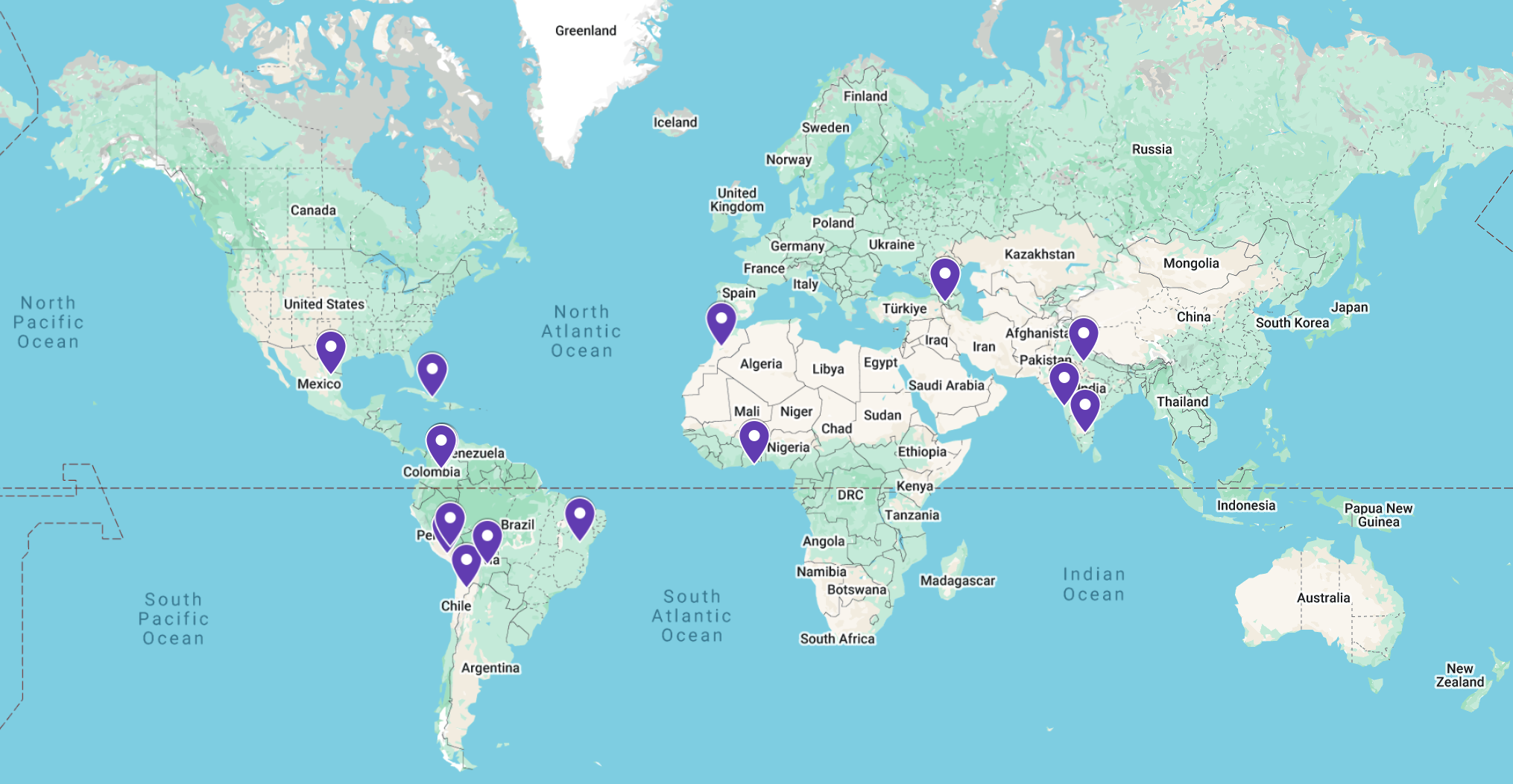
Atlas Elevation
Morocco
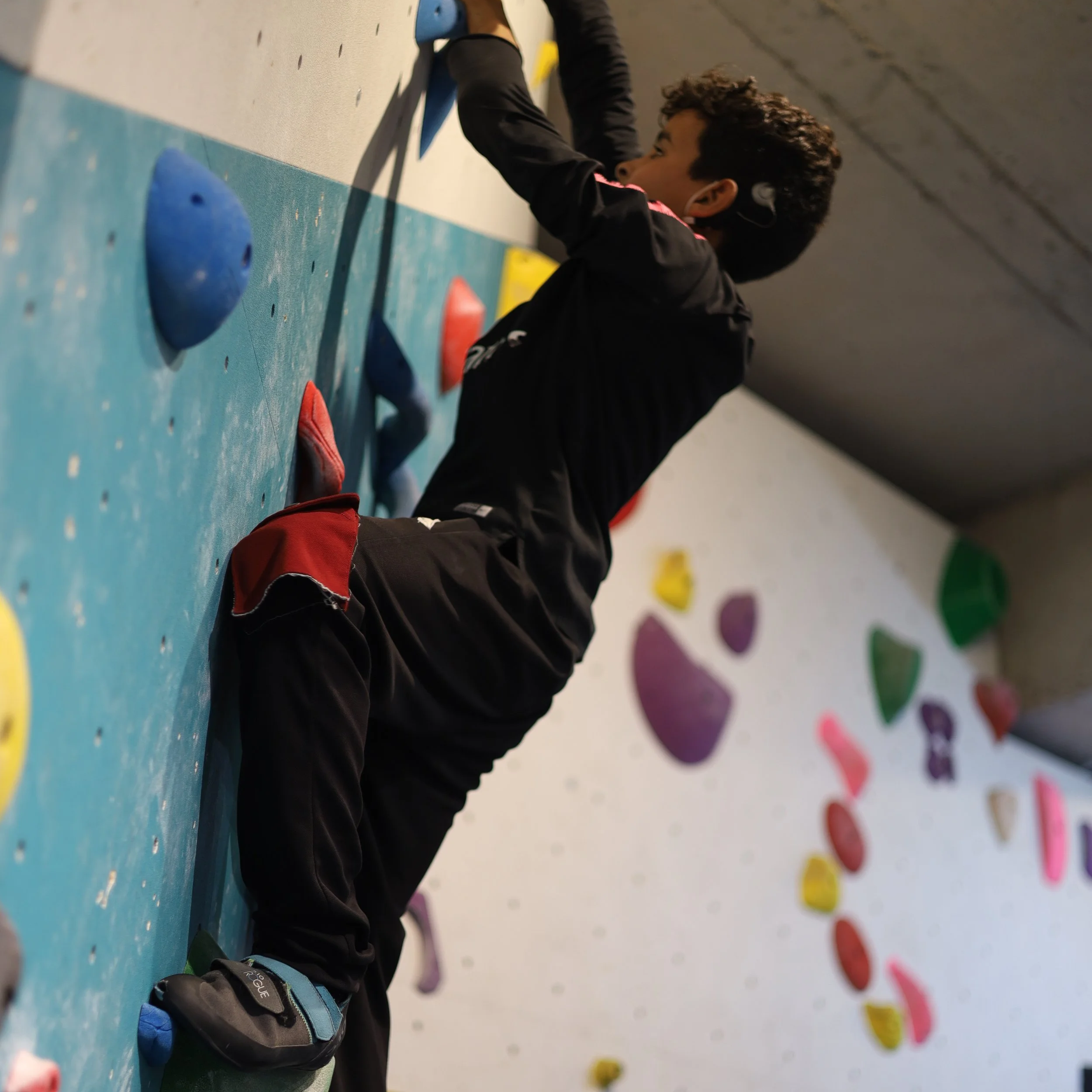
Weekly climbing sessions for youth with disabilities in Marrakesh

Bangalore Climbing Initiatives
India
Rope skills and first aid education for Indigenous honey harvesters in the Sathyamangalam Tiger Reserve
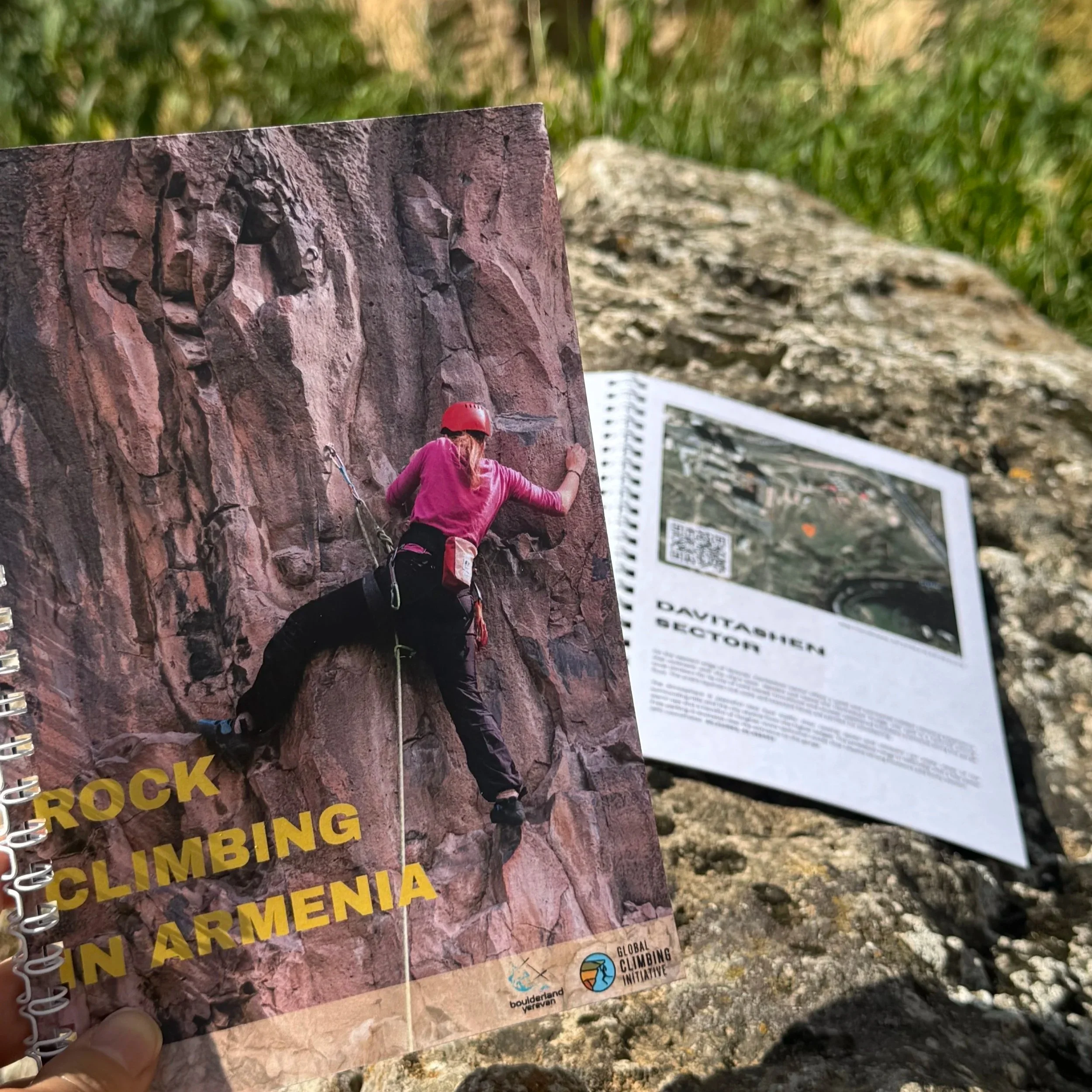
Boulderland Yerevan
Armenia
Armenia’s first climbing guidebook, route development, and a new climbing festival
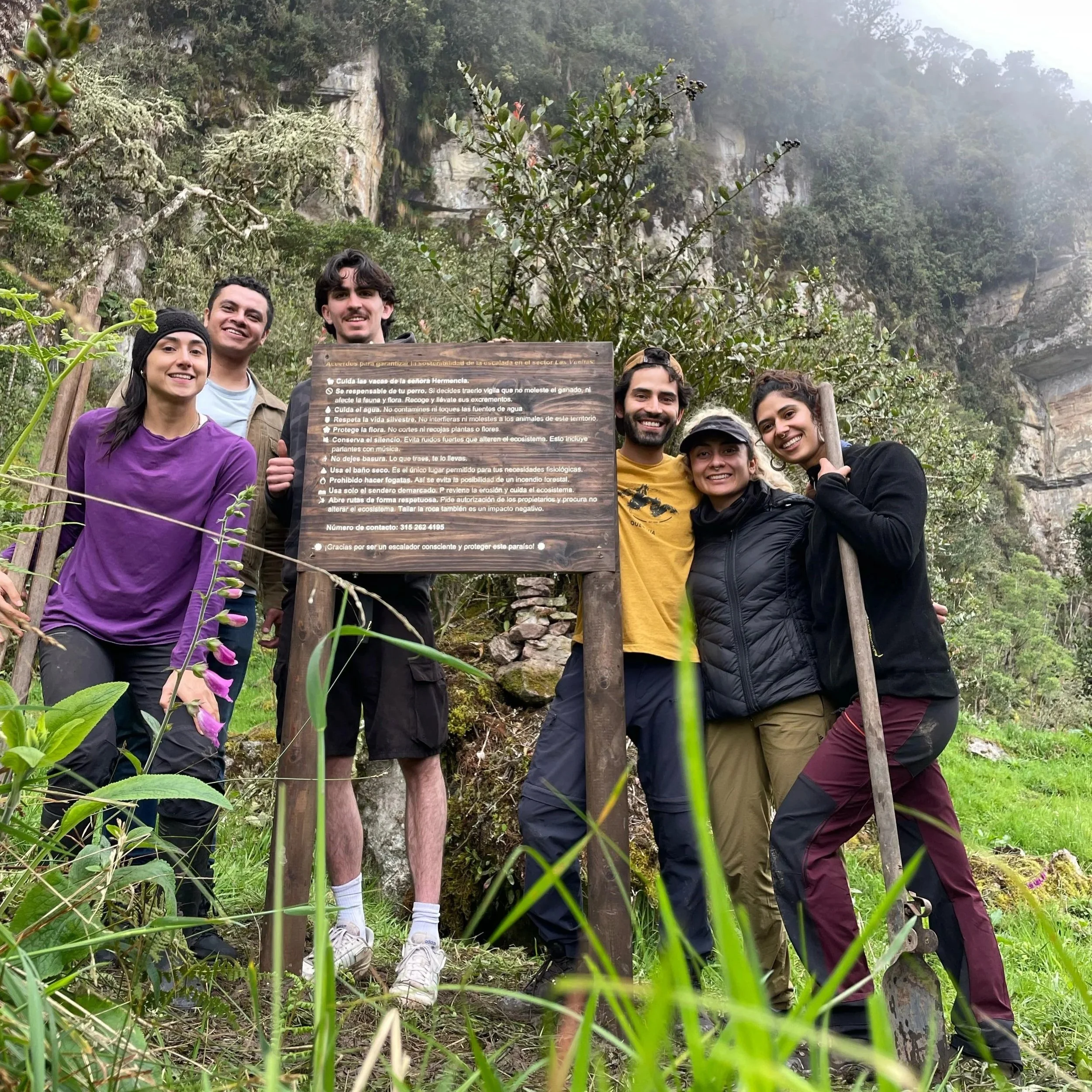
Chiguanoikos Climbing Festival
Colombia
Climbing festival centered on local community and environmental appreciation in Choachí, Colombia
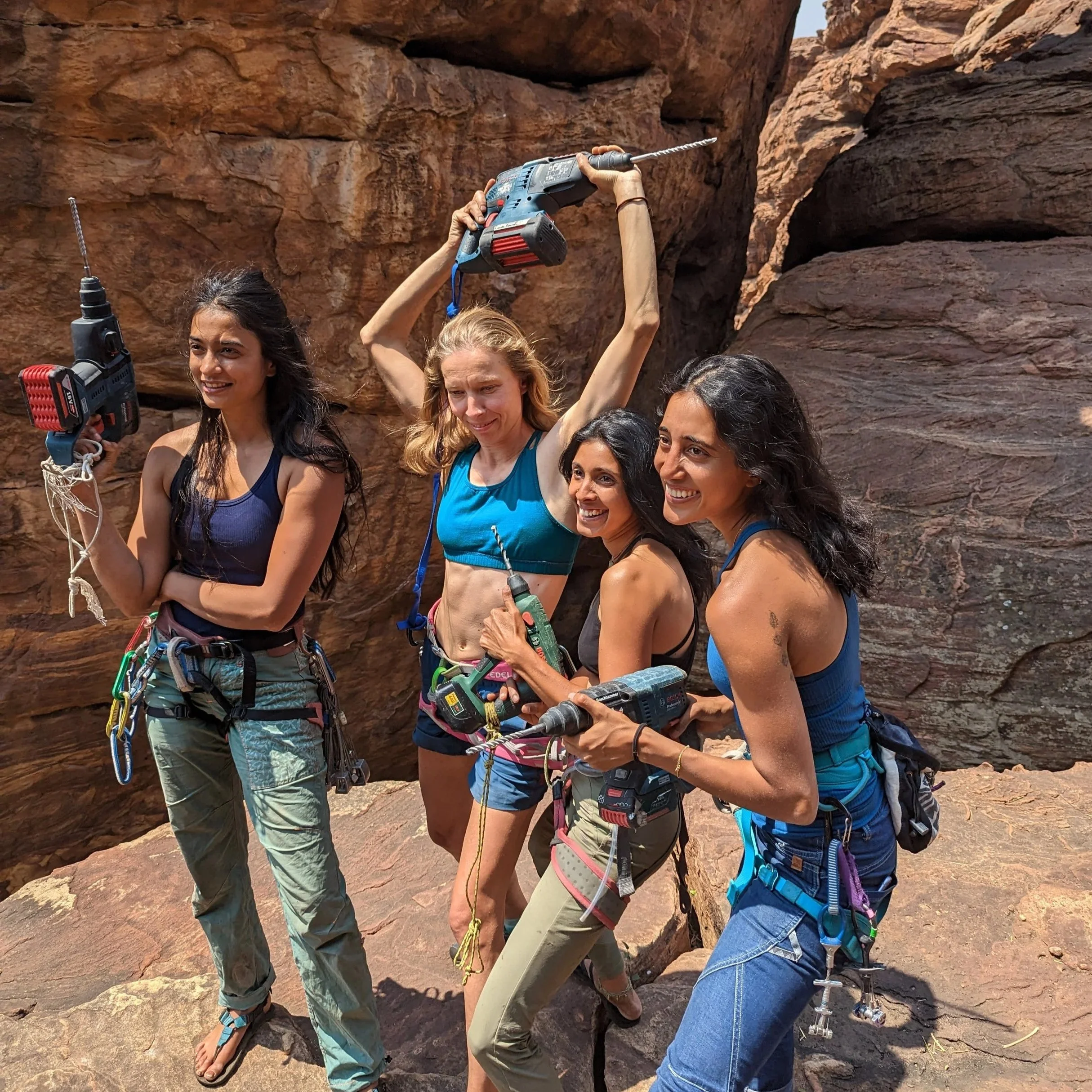
Climb Like A Woman
India
Women-led crag development education in Badami
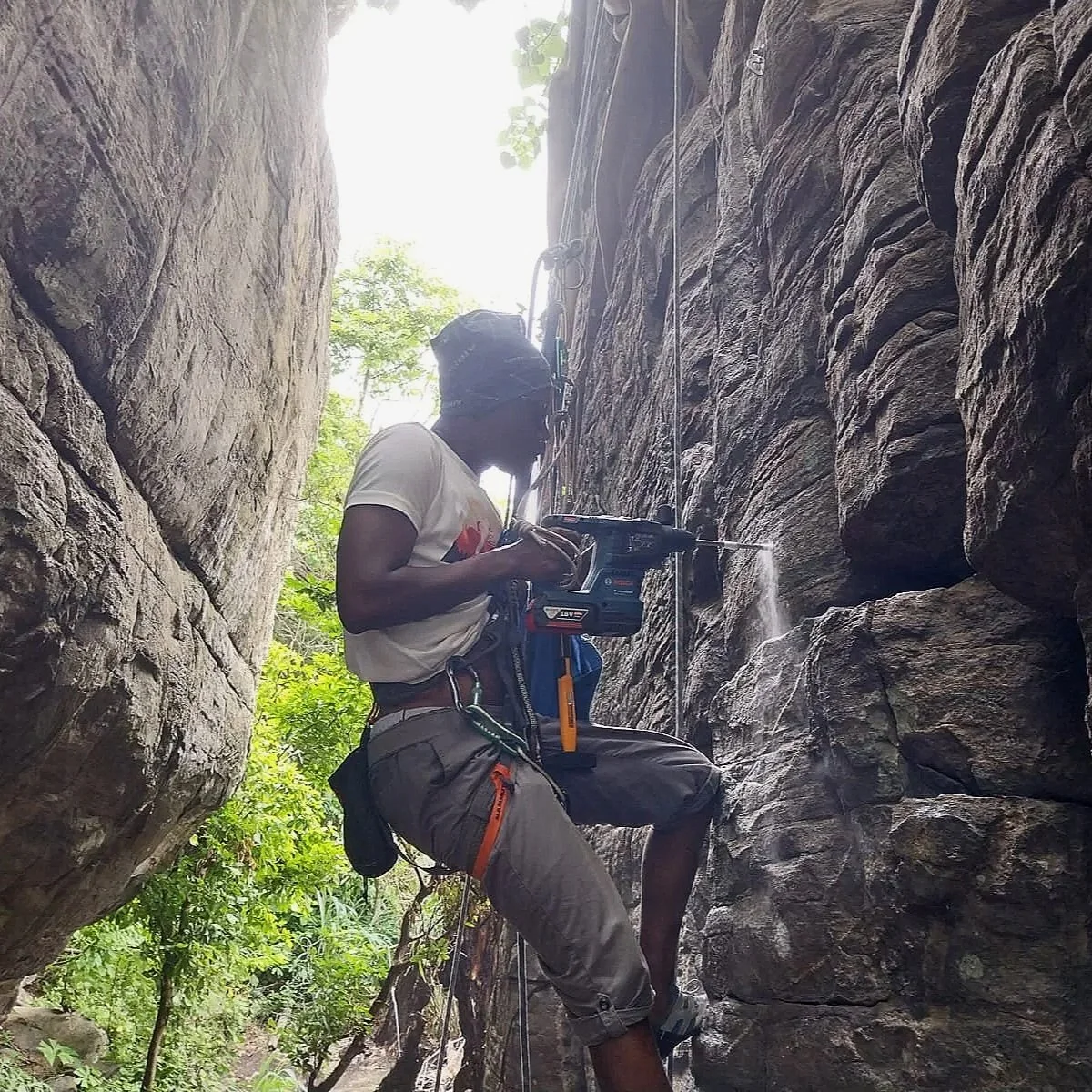
Climbing Association of Ghana
Ghana
Crag development education in Krobo Hills and Asubone
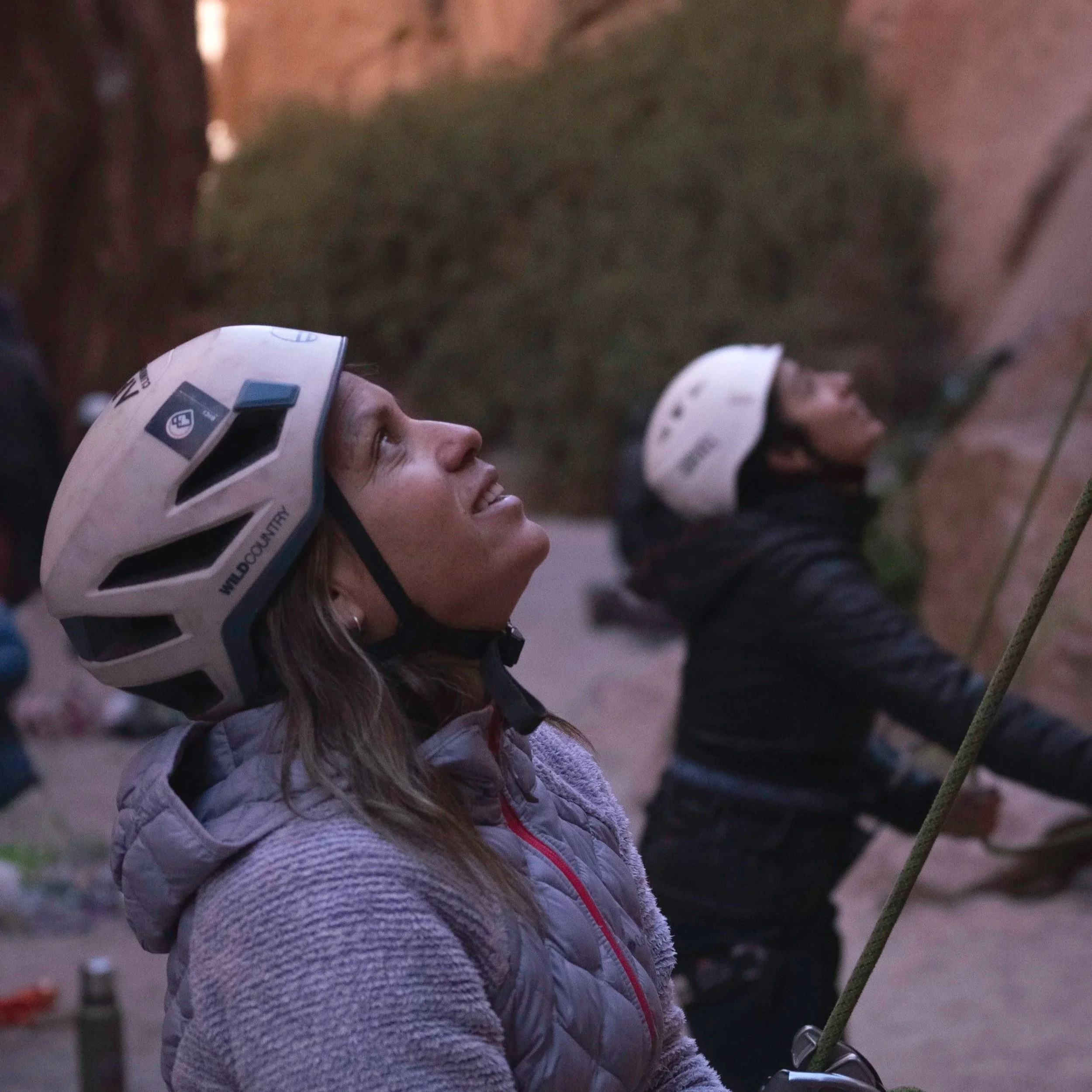
Club de Escalada y Deportes de Montaña de San Pedro de Atacama
Chile
Outdoor climbing safety for women and LGBTQ+ climbers

Coletivo de Escalada de Lençóis
Brazil
Wilderness first aid and youth bouldering in Lençóis
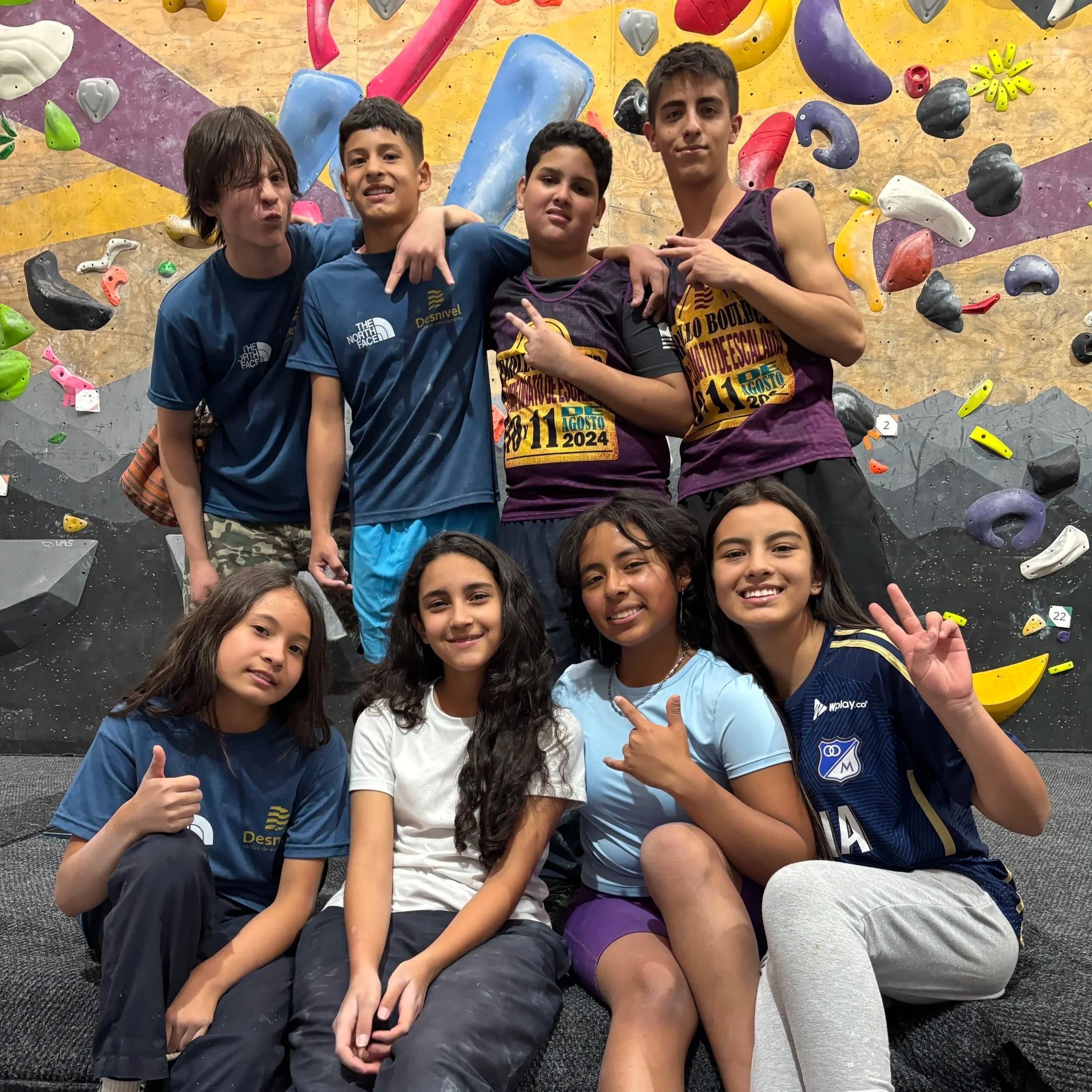
Desnivel Centro de Entrenamiento
Colombia
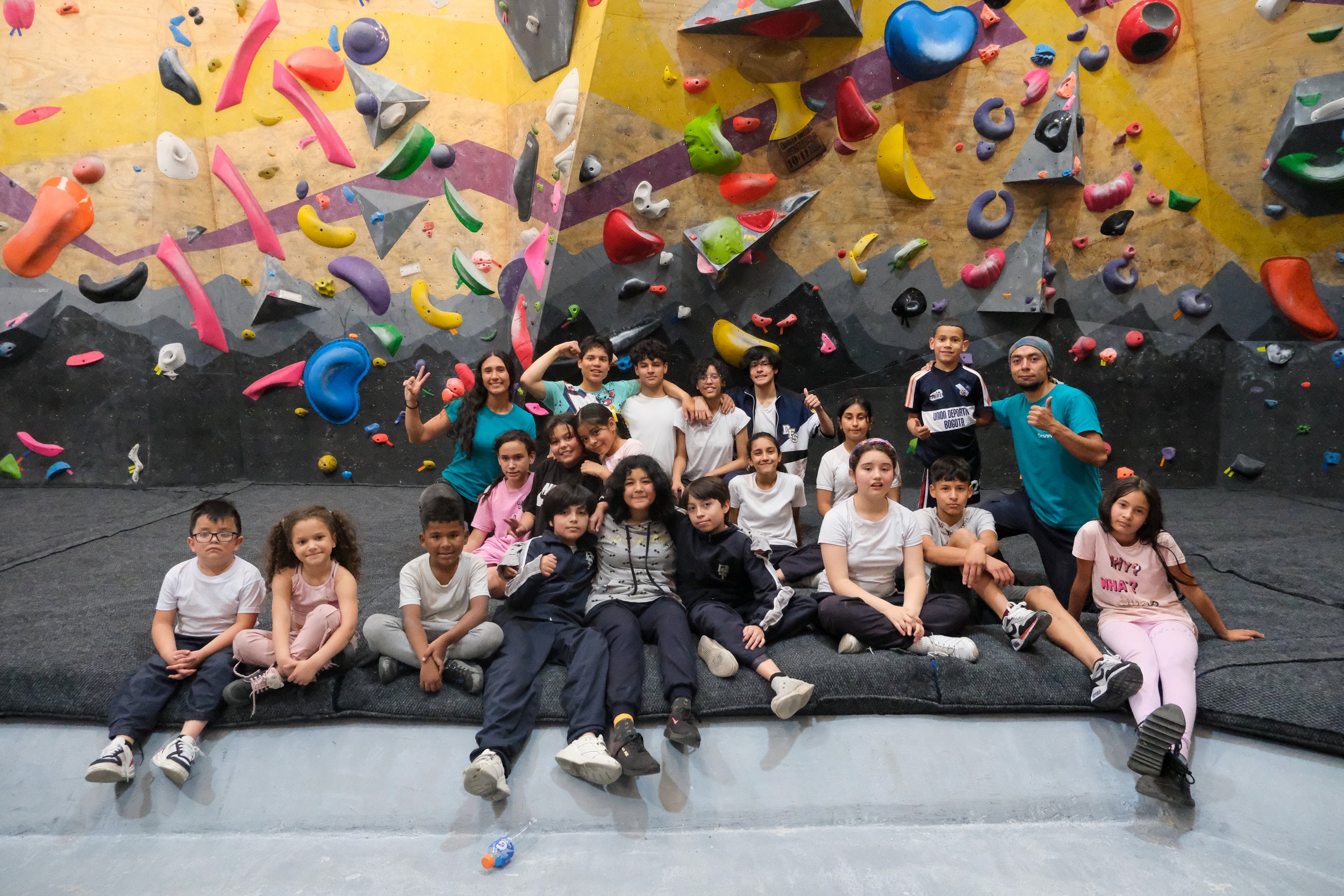
Climbing program for public school students in underserved neighborhoods in Bogotá

Escalando Fronteras
Mexico
Bolt replacement workshop for underserved youth in La Huasteca
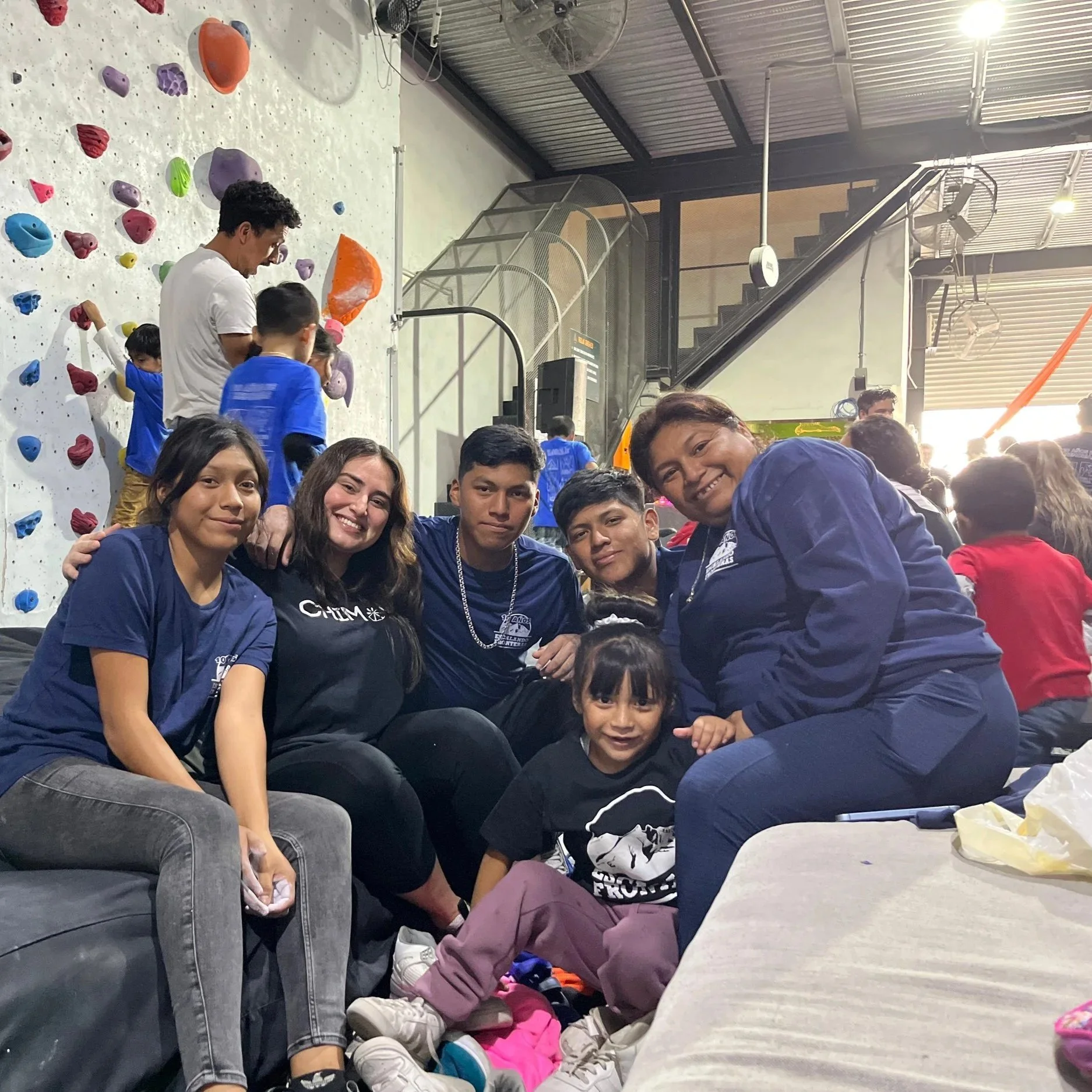
Escalando Fronteras
Mexico
Celebration of 10 Year Anniversary in Monterrey

Holguín Climbing Community
Cuba
Crag development education in Holguín
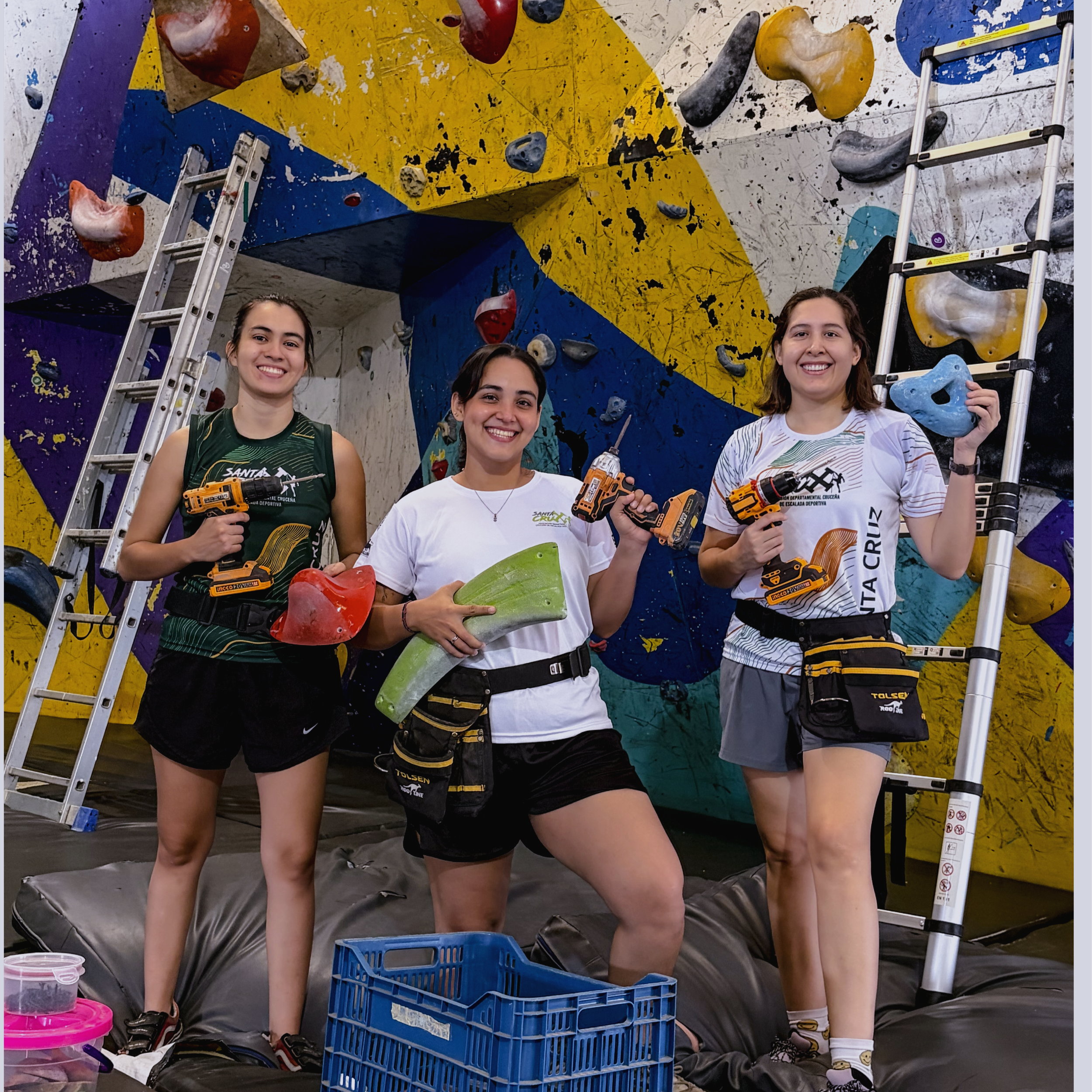
Santa CruX
Bolivia
Women’s routesetting education
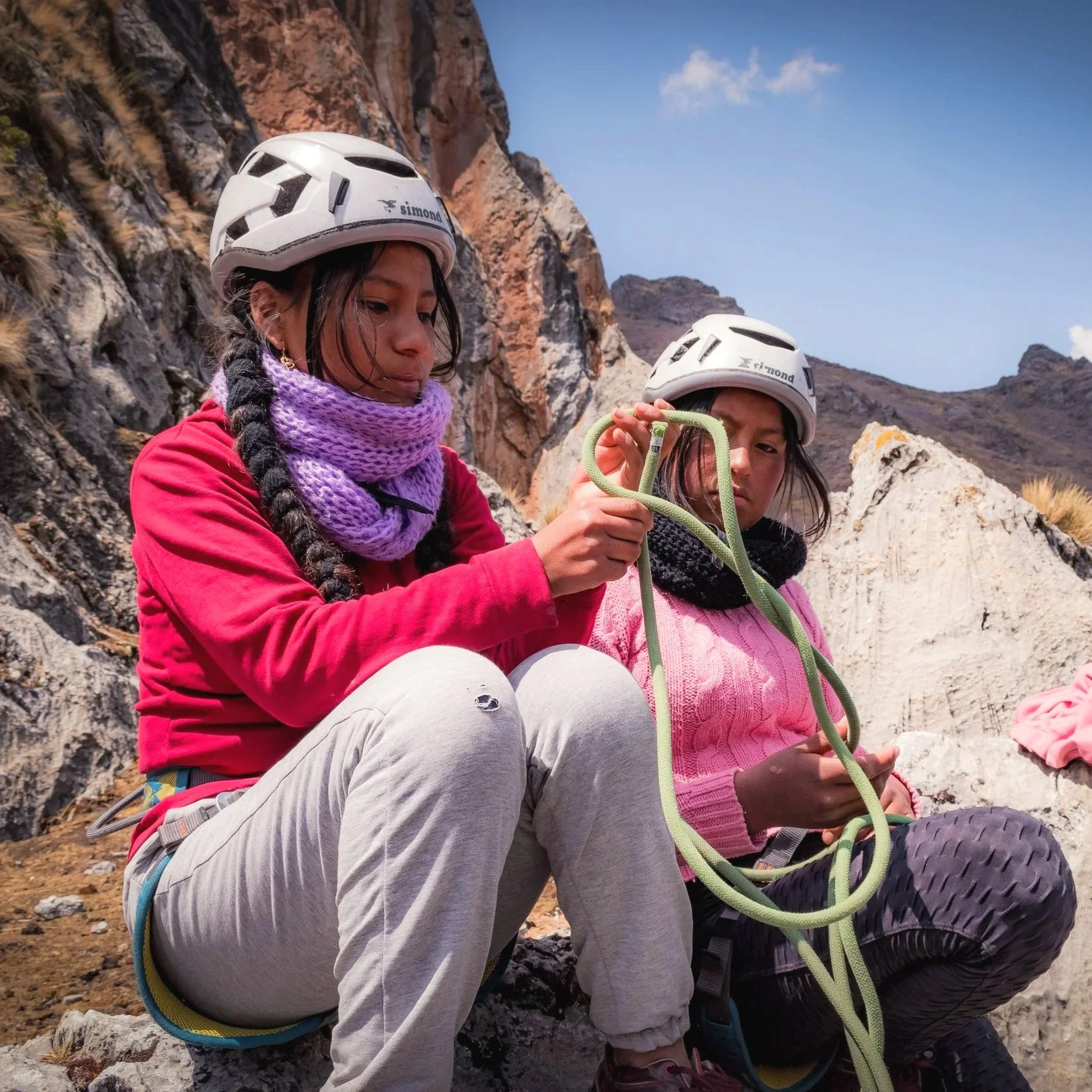
Uma Rumi
Peru
Women’s climbing and crag development festival in Pitumarca
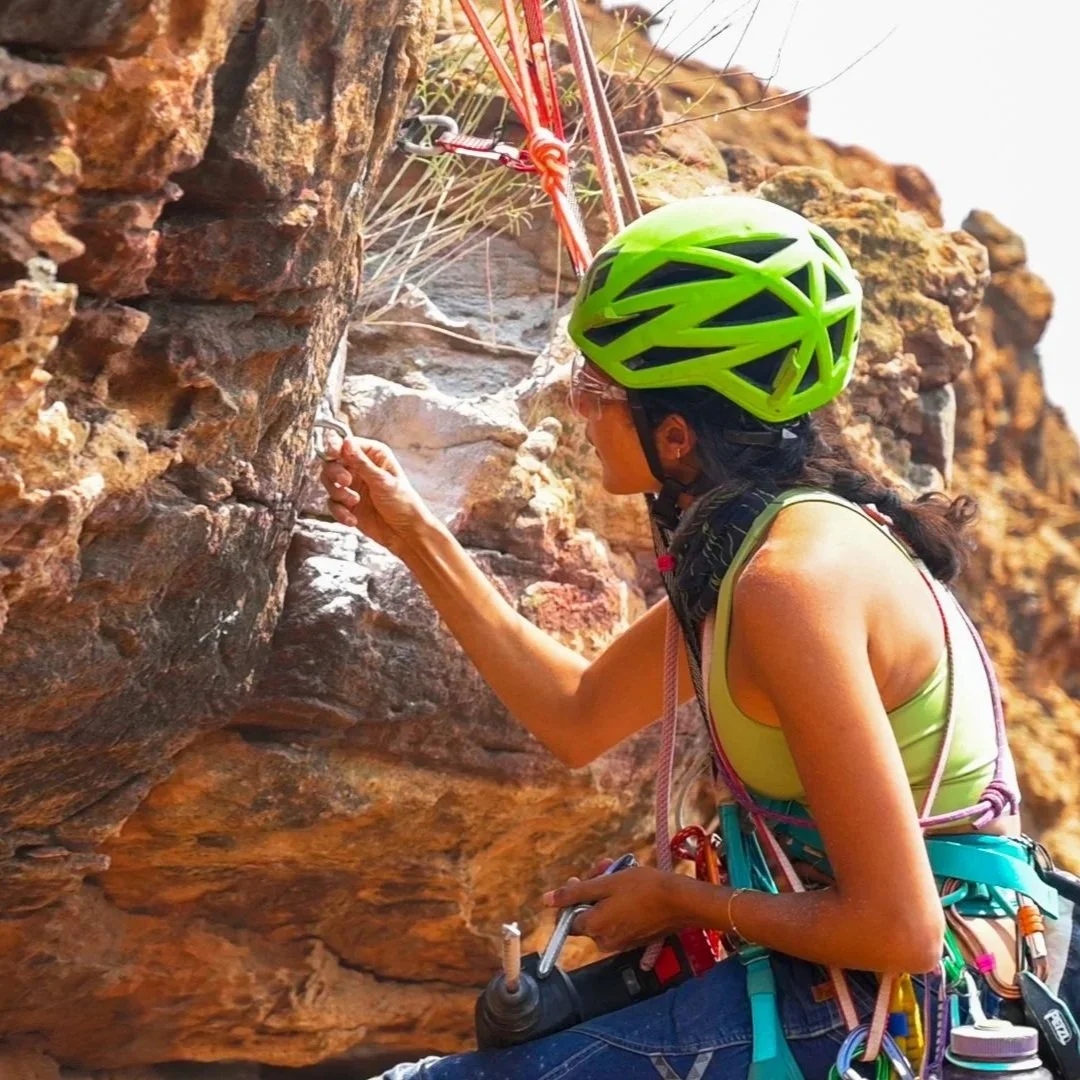
Yana Climb
India
Powerstar film on women-led climbing development education in Badami
Please send any questions to grants@globalclimbing.org.